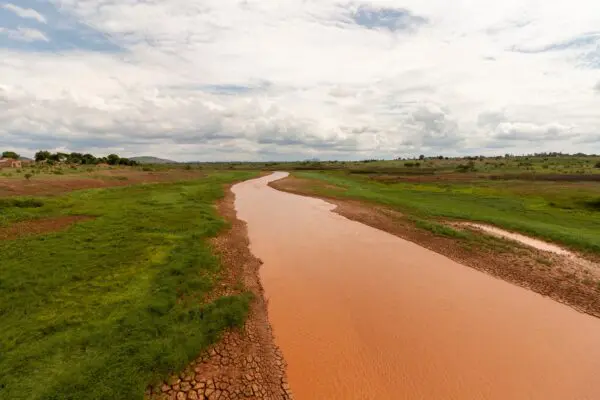
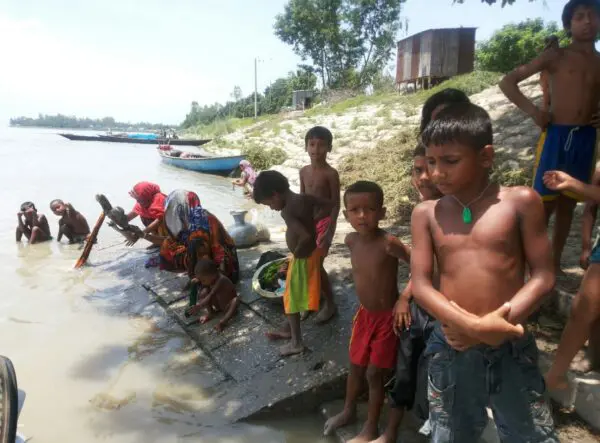
Water is part of our daily lives. Climate change, population growth and environmental impacts are increasingly calling for effective water management. Worldwide we are confronted with challenges regarding too much or too little water, which are at the source of many water-related conflicts. Availability of safe (clean) drinking water, pollution, droughts, or flooding are just a few of the problems we have to deal with. These challenges lead to increasing levels of concern and ask for good policy choices in the management of water.
Water, rivers, and coasts and environmental assessment
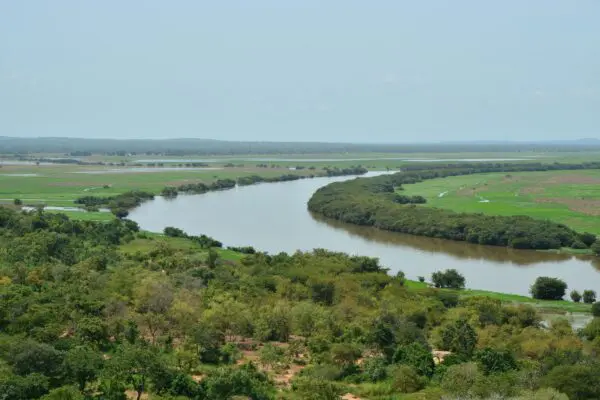
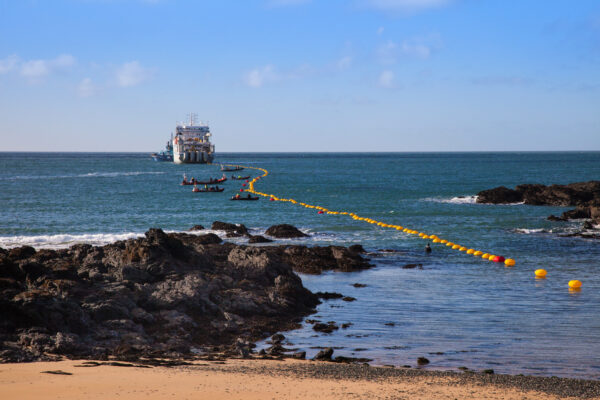
Responsible and inclusive management of water resources are part of a strategic planning process. Integrated Coastal Zone Management (ICZM) plans for coastal areas, and Integrated Water Resource Management (IWRM) for river basins and river catchment areas, are well known decision-making processes. SEA can effectively support these and other integrated (spatial) sectoral planning processes by assessing its contribution to sustainable and inclusive development, and by reducing negative consequences for underprivileged groups in society. SEA plays a proactive role in integrating such planning in the broader context of transboundary and regional development planning for river basins and coastal areas and in aligning these activities with existing national sector policies.
SEA and IWRM in the mining sector
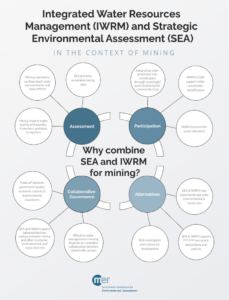
Mining sites near water resources can cause pollution on multiple levels. Water transports mining‑derived contaminants from tailings, waste rock, and processing plants to rivers, lakes, and aquifers, causing impacts on human health and the natural environment. When approaching the issues surrounding mining development in river basin management or land use planning, it is essential to integrate Strategic Environmental Assessment (SEA) and Integrated Water Resources Management (IWRM). SEA and IWRM add value for mining sector development, especially in identifying risks of mining activities for water resources in a wider river basin or landscape. They are important for a strategic impact assessment on river basin or landscape level, responsible and equitable water resources management, for collaborative governance, for identifying alternatives for development, and for improving wider stakeholder engagement.
The main advantages of combining SEA and IWRM in a mining context are summarised in the infographic below.